
What Prolav.ai Can Do
Beyond machine settings: AI for customers, operators, office teams and management. From today’s shift to long-term contracts, including delivery routes and digital channels.
Where AI Really Makes a Difference
An industrial laundry is about much more than machines: delivery routes, customer portals, healthcare tenders, seasonal peaks in B&B demand and last-minute phone calls. Prolav.AI connects your plant, customers and local service network, providing practical decision support and more predictable daily operations.
The goal is not to replace people, but to reduce the pressure of urgent requests, make the consequences of decisions clearer and build smoother, more professional and proactive relationships with customers who entrust you with their linen.
Plant & Quality
Customers & Front Office
Delivery Routes
Management & Performance
Process Data That Benefits Customers
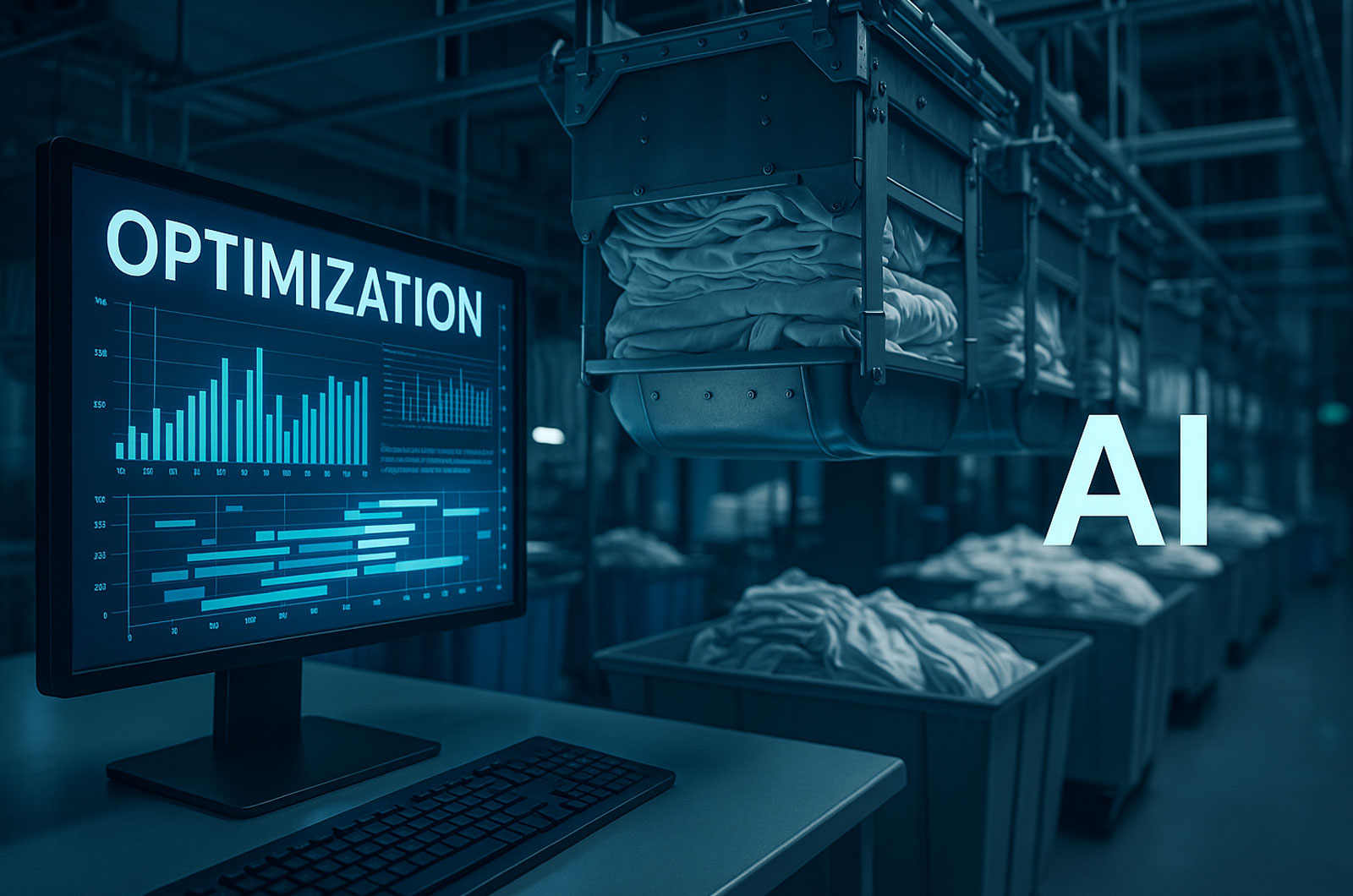
AI analyses loads, fabrics, temperatures, rewash rates and consumption. But it is not just about optimising settings: it is about having clear indicators that show customers the quality of service you deliver and what happens when volumes, service frequency or SLAs change.

Requests, Quotes and Communications Without the Chase
Emails, phone calls, portals, channel managers and WhatsApp: communication channels keep multiplying, but time does not. Prolav.ai helps bring requests together, suggest responses that match plant capacity and keep track of commitments made to customers.

Pickups, Deliveries, SLAs and Real-Time Traffic
AI combines orders, locations, time windows, traffic and vehicle capacity. The aim is not just to reduce mileage, but to protect customer relationships: flag potential delays early and propose alternatives that meet agreed service levels.
Scenarios, Contracts, Tenders and Profitability
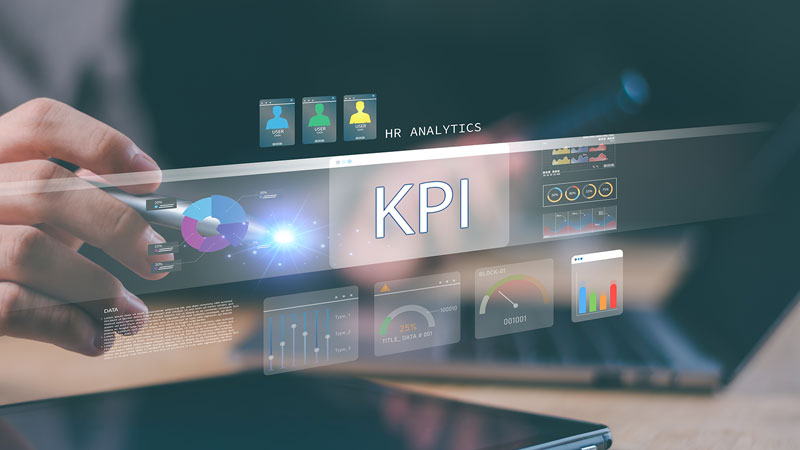
For laundry managers, AI becomes a what-if engine: what if we win this tender, change pickup frequency for these customers or add a new B&B delivery route? Not another spreadsheet, but dashboards that speak the language of business performance.
Hundreds of Customers, One Dashboard
Seasonal hotels, city restaurants, care homes, clinics and B&Bs across the region all have different rhythms, needs and ways of communicating. Prolav.ai is not a one-size-fits-all system: it offers building blocks that adapt to each customer segment, starting with the data you already have in Prolav®.
A More Organised Approach to Requests
AI reads emails, notes and requests from portals and operational contacts, connects them with contracts and plant capacity, and helps office staff set priorities and realistic service windows.
Staff can find customer history, recurring exceptions and suggestions for preventing common problems in one place, such as extra pickups in peak season or changes in linen allocations.
Stay Aligned with Regulations and Contract Requirements
For public-sector and healthcare customers, it is not enough to wash well: protocols, specifications, tenders, garment traceability and mandatory service frequencies all matter.
AI can assist with reviewing tender documents, highlighting critical requirements, simulating bid scenarios and monitoring whether each facility’s requirements are met during production.
Occupancy, Channel Managers and Optimised Routes
For companies collecting and delivering complete linen sets to hundreds of apartments, AI reads bookings, cancellations and calendars from channel managers, forecasts daily volumes by area and suggests delivery routes and minimum linen stocks.
The result is fewer last-minute emergencies and clearer communication with property managers: what will be delivered, when, and with what safety margin before guests arrive.
From First Enquiry to Delivery Route
In many laundries, sales teams, production departments and route planners use different tools. AI helps share essential information so that commitments made to customers are also feasible for production teams and drivers.
Enquiries & Quotes
Whether enquiries arrive by email, form, phone or portal, AI collects key information (customer type, volumes, frequency and geographic constraints), checks the history of similar customers and suggests proposals that match production capacity and existing routes.
Operational Planning
Once a customer is onboarded, Prolav.ai translates the contract into pickup and delivery slots, production sequences and minimum linen allocations. It immediately highlights requests that could create bottlenecks on particular days or in specific departments.
Delivery Routes & Communication
AI suggests routes, schedules and loads by area, anticipates where traffic could threaten delivery windows and enables early warnings to customers with critical needs, such as healthcare facilities, care homes and B&Bs with tight check-in schedules.
After-Sales, Complaints & Opportunities
Tickets, notes, reviews and calls do not get lost: AI identifies patterns of dissatisfaction, suggests corrective action and highlights recurring customer needs that could become new services or dedicated production lines.
Possible Use Cases
Every laundry has its own story. Here are a few examples of how Prolav.ai can be used depending on its customers and services.

Busy Seasons, Fewer Emergencies
Forecast workloads using seasonal trends and historical data, suggest additional weekend delivery routes and flag customers using more linen than expected before they overload production.

Contract Requirements Under Control
Map requirements for each facility, automatically check service frequencies, track exceptions and support reports for public bodies and customers.

From Channel Manager to Actual Workload
Automatically read bookings and cancellations, forecast the number of linen kits needed by area and day, and propose dedicated routes between check-out and check-in, with configurable safety margins.
What Results Can You Expect?
Precise figures depend on your own plant data. However, there are areas where AI can typically deliver measurable benefits within a few months.
Fewer Manual Tasks
Reduce repetitive work in order entry, request management and report preparation.
Faster Response Times
Support quotes, pickup confirmations and ticket replies with suggestions based on real data.
Fewer Delivery Disruptions
Improve visibility into volumes and logistics issues, with early warnings about potentially difficult days.
Better Management Visibility
Dashboards connect production, customers and profitability, helping managers focus on what matters most.
Frequently Asked Questions
No. Prolav.ai modules are designed to grow over time. You could start by organising routes for a few key customers, reviewing healthcare tenders or forecasting peak-season B&B volumes without changing anything else.
Where data already exists (machines, Prolav®, RFID or portals), we integrate it. Where it is missing, we can start with lightweight sensors and targeted data collection. The idea is to add useful information, not create endless installation projects.
No. Dashboards are designed for operators, department managers, drivers, office teams and executives, with different but connected views. AI turns raw data into clear recommendations and alerts: what is late, what may be late and what is performing better than expected.
Yes. For many laundries, it makes sense to begin with the front office, delivery routes or B&B services, then extend AI models to production. The important thing is to define a clear scope and decide from the start how improvements will be measured.
Practical Goals
AI only makes sense if it delivers recognisable everyday results: fewer follow-up calls, fewer misunderstandings and fewer unnecessary journeys. Typical goals include:
A Calmer Front Office
Organised requests, clear priorities and fewer last-minute emergencies.
More Predictable Routes
Routes planned using real data, with timely customer updates.
Better-Informed Decisions
Management decisions supported by scenarios, not just impressions.
Better Customer Care
Know which customers need attention before problems arise.
Want to See Examples for Your Business?
Hotels, healthcare, B&Bs and care facilities: bring us some real data and we can develop two or three relevant use cases together.
Find Out How to Get Started